- 1 EPON Fortune Putter Review — Excellent Feel, High Stability, and Ideal for Golfers Who Prefer a Straight, Simple Stroke
- 2 EPON Fortune Putter: Complete Review & Buying Guide 2025
- 3 Table of Contents
- 4 Overview & Key Features {#overview}
- 5 Technical Specifications {#specifications}
- 6 Design & Construction {#design}
- 7 Performance Analysis {#performance}
- 8 User Reviews & Feedback {#reviews}
- 9 Pros & Cons {#pros-cons}
- 10 Who Should Consider This Putter {#suitability}
- 11 Comparison with Alternatives {#comparison}
- 12 Frequently Asked Questions {#faq}
- 12.1 What makes the EPON Fortune different from other premium putters?
- 12.2 Should I choose the heel-shafted or center-shafted version?
- 12.3 How does the weight compare to other putters?
- 12.4 Is the black chrome finish durable?
- 12.5 What type of golfer benefits most from this putter?
- 12.6 How does the price compare to similar premium putters?
- 13 Final Verdict {#conclusion}
- 14 Sources
EPON Fortune Putter Review — Excellent Feel, High Stability, and Ideal for Golfers Who Prefer a Straight, Simple Stroke

The other day, I test-hit this golf club.
The club I tested was the EPON Fortune putter.
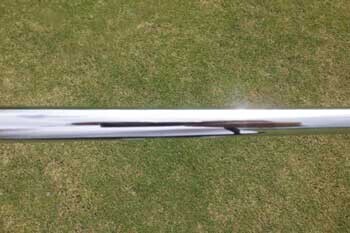
The shaft is the stock steel shaft.
Loft is 3°, length is 34.25 inches, lie angle is 71°, swing weight is D9, and total club weight is 553 g.
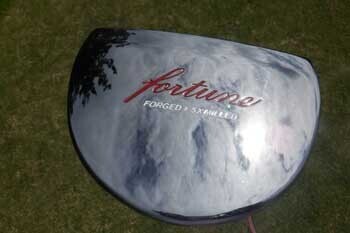
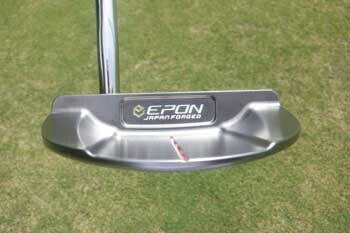
This is EPON’s new mallet-style putter, and the rounded sole stands out.
With the mirror finish, the blue sky and clouds reflected clearly on the head.

It features a bent-neck.
The biggest advantage of this neck, in my view, is the “low center of gravity.”

It’s a mallet, but the head stretches quite far back, so I’d call it a “neo-mallet.”
The first neo-mallet I ever encountered was Titleist’s early Futura, and its design was so innovative it shocked me.
At the time, I thought of putters as having a “shallow center of gravity,” but the Futura broke that notion, and that trend continues today.

I love seeing “JAPAN FORGED.”
Japan’s forging technology is the best in the world in my opinion, and paired with EPON’s proven high quality, it inspires even more confidence.

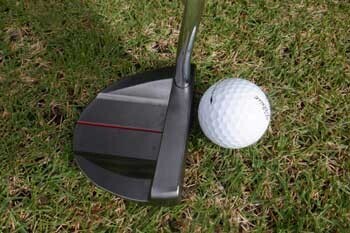
The red sight line is distinctive.
White is more common, but red matches this head color nicely to my eye.
Visual cues are crucial and directly affect putting results.
If possible, I’d also like to try black or white for comparison.
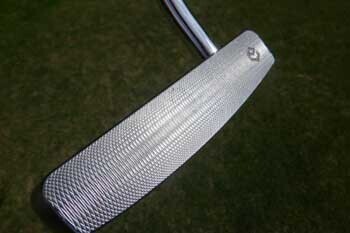
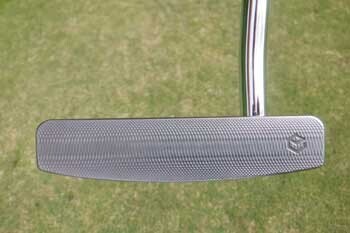
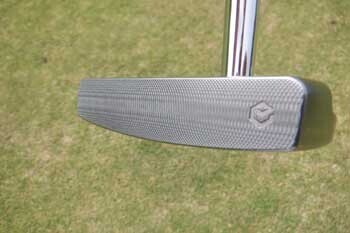
The face shows a beautiful milling pattern.
Many putters have used similar milling.
Some putters have a perfectly flat, non-milled face, but I prefer having milling like this.
The reason is that it “grabs” the ball more securely without skidding.
In other words, it increases bite and makes it easier to put topspin on the ball.
I also prefer faces that minimize excess launch so the ball doesn’t hop too much.

The EPON emblem on the heel side is very stylish.
EPON fans will love it, and it satisfies that sense of ownership that makes you feel a bit luxurious just having an EPON club in the bag.
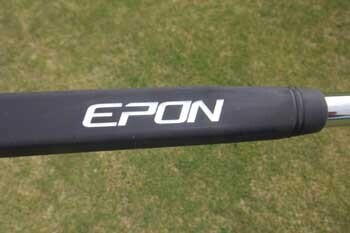
The simple grip with the EPON logo looks classy.
It’s slightly thicker than standard.
Hand size varies, but many players find a somewhat thicker grip helps quiet the wrists and stabilizes the stroke.
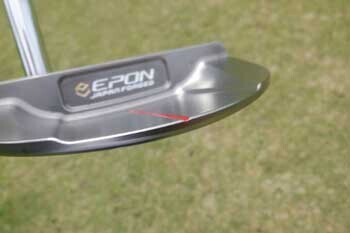
As I wrote the other day, the thin section here is a real plus.
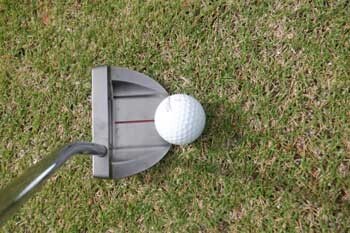
It makes it easy to scoop up the ball with the “back of the putter” like this.
That helps reduce strain on the lower back.

Addressing a ball, it looks really good.
All I can picture is a ball rolling straight down the line.
Testing on the green
The feel is soft and excellent.
Despite being soft, it isn’t vague, so you can clearly sense the “texture of the ball,” which makes feel-based touch more reliable and improves repeatability.
The sound is crisp and helps you produce touch.
There’s an old saying, “Listen to putting with your left ear,” and it really rings true for me.
When I was a beginner, I lifted my head constantly and missed often, but after hearing that advice from seniors and focusing on the sound, both distance control and direction improved, and I realized how important sound is.
Many putting mishits come from head-lifting, so rather than chasing the ball with your eyes, it’s important to “hear” the strike.

The roll is good and matches the head’s size and presence.
Many modern putters have adjustable weights, and those can sometimes roll farther than you imagine, but this putter matched my image from the start.
The stability is very high.
With deep CG distance like this, I think the key is to “pull the putter straight back,” which in turn makes it easier to deliver the head straight through impact.
It’s very straight-tracking and forgiving.
You can take an assertive line that won’t get knocked off by the grain.
If you want to putt simply and straight without overthinking, this putter is highly appealing.

It’s an automatic-feeling putter, in the best way, so you can stroke with a bit of leeway.
It’s resistant to mishits, so if you read your line and roll it on that line, good results tend to follow.
EPON exudes luxury, and some beginners may wonder if “it’s only for advanced players,” but this putter is generous and easy to handle for both advanced and beginner golfers.
Because the feel is so good, getting used to this natural, good-feeling feedback early on will sharpen your senses over time.
There’s a saying that “the beginning is crucial,” and it applies to golf too.
With its soft feel, distance control comes easily.
Given the high stability, I feel you can focus on “pace and speed” for distance control.
It doesn’t over-release, so it should shine on fast greens as well.
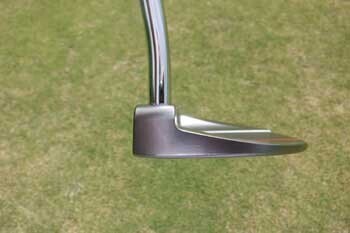
It looks refined and beautiful, yet approachable.

As mentioned earlier, the unambiguous, delicate feel really sharpens your senses.
I often find “easy” clubs can dull feel in this area, but I didn’t get that from this putter.
It’s easy and generous, yet it doesn’t blunt your touch — it refines it.
That’s the kind of putter this is.

Among all “strokes” in golf, putting is the most difficult and the most pressure-packed for me.
I’ve had many rounds where I played well tee-to-green only to blow up on the green.
Even now, putting makes me the most nervous during a round.
Opening-tee shots and putts on the green still make me tense, despite my experience.
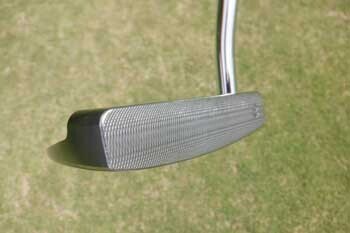
Recently, more putters have built-in weights.
That raises MOI and increases forgiveness on mishits.
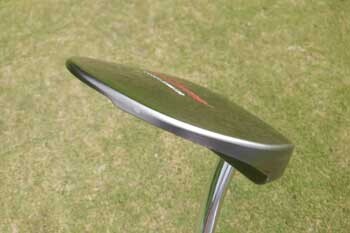
However, this putter doesn’t have built-in weights.
So some golfers may feel it lacks heft.
Depending on how you see it, that might sound like a downside, but look from another angle and it can be an upside.
What I mean is that the “perceived weight” and the “actual weight” tend to match.

Those who hold a “slinging/rigging” qualification used on construction sites will understand the importance of visual weight estimation.
When you glance at a load, you need to judge roughly how heavy it is and where the center of gravity lies.
If you don’t, the balance can break down, and the wire or sling can snap or slip, dropping the load and creating danger.
With flat or perfectly spherical objects it’s easier, but in the field you often have to lift complex shapes.
If it’s a single material, estimation is easier, but when objects combine materials with different specific gravities, apparent weight and balance get tricky and harder to grasp.
When I test any club — not only putters but drivers as well — I pay attention to where the center of gravity is, especially its height. (These days it’s mostly concentrated low.)
There are many clubs now that feel a bit “unnatural” in balance.
You could also say that this “unnaturalness” is the result of innovation and engineering effort.
I suspect there’s a group of golfers who don’t get along with putters that use heavy weighting.
They want stability from a neo-mallet shape built from a single material rather than from weights.

For golfers who want a simple, one-piece style that’s easy to use and sharpens feel the more you roll putts, this putter feels like a perfect fit.
It may not have the flash of some overseas brands, but it’s “earnest” and reliably brings joy to the player.
If you prefer shallow-CG shapes like L-shaped or Anser-style (PING-style) putters, this may not be your favorite.
But if you like a low, deep center of gravity, I strongly recommend giving it a try.
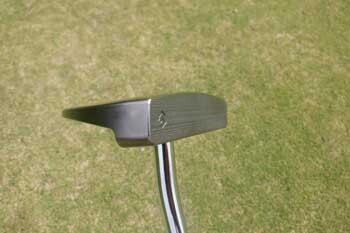
It isn’t a finicky putter, so you can focus on your chosen line and touch.
A good club isn’t defined by being cheap, expensive, or “tour-only.”
It’s defined by high quality and by how much it supports a player’s growth.
Rolling putts with this model, that’s exactly what I felt.
I’d call it a natural, automatic-feeling putter.
| Item | Value |
|---|---|
| Model | EPON Fortune Putter (Neo-mallet) |
| Construction | Japan-forged (soft-carbon forging / precision-milled) |
| Neck | Bent-neck (tested unit) |
| Loft | 3° |
| Lie Angle | 71° |
| Length | 34.25 inches |
| Swing Weight | D9 |
| Total Weight | 553 g |
| Shaft | Stock steel shaft |
| Face | Precision-milled face |
| Built-in Weights | None (no internal weighting) |
| Alignment | Red sight line |
| Finish | Premium mirror to dark chrome-like finish, glare-reduced for focus |
☆
Ease of Setup…☆☆☆☆
Feel…☆☆☆☆☆
Sound…☆☆☆☆☆
Roll…☆☆☆☆
Stability…☆☆☆☆
Distance…☆☆☆☆
※ (Maximum 100 points)
1 ☆ = 0-20 points
2 ☆ = 21-40 points
3 ☆ = 41-60 points
4 ☆ = 61-90 points
5 ☆ = 91-100 points
*Addition: Introduction to this club (I researched this club after writing this article)
EPON Fortune Putter: Complete Review & Buying Guide 2025
The EPON Fortune represents the pinnacle of Japanese putter craftsmanship, combining traditional forging techniques with modern engineering principles. As one of Japan’s most prestigious golf equipment manufacturers, EPON Golf has created a neo-mallet putter that delivers exceptional performance through meticulous attention to detail and innovative design features.
Table of Contents
- Overview & Key Features
- Technical Specifications
- Design & Construction
- Performance Analysis
- User Reviews & Feedback
- Pros & Cons
- Who Should Consider This Putter
- Comparison with Alternatives
- Frequently Asked Questions
- Final Verdict

Overview & Key Features {#overview}
The EPON Fortune stands as a testament to Japanese forging excellence, manufactured using premium S25C carbon steel through EPON’s renowned forging process. This neo-mallet putter incorporates several cutting-edge technologies designed to enhance putting performance across various green conditions.
Key Highlights:
- Japan Forged Construction: Crafted from premium S25C carbon steel
- Neo-Mallet Design: Optimized head shape for improved stability and alignment
- Dual Configuration Options: Available in both heel-shafted and center-shafted versions
- Advanced CG Positioning: Strategically placed center of gravity promotes optimal ball roll
- Face Balance Technology: Engineered for consistent stroke mechanics
- Black Chrome Finish: Reduces glare while providing premium aesthetics
Technical Specifications {#specifications}
Based on official EPON Golf specifications, the Fortune putter offers the following technical details:
Standard Version Specifications:
- Loft: 3°
- Lie Angle: 71°
- Length: 34.25 inches
- Weight: 553 grams
- Material: Carbon Steel (S25C)
- Finish: Black Chrome Plating
- Manufacturing: Japan Forged with 5-Axis Precision Milling
Center Shaft Version (CS) Specifications:
- Loft: 2°
- Lie Angle: 71°
- Length: 34.25 inches
- Weight: 568 grams
- Material: Carbon Steel (S25C)
- Shaft Position: Center-mounted for face-balanced performance
Note: Club length measured according to R&A adopted measurement methods
Design & Construction {#design}
Forging Excellence
The EPON Fortune showcases Japan’s legendary forging capabilities through its S25C carbon steel construction. This material choice provides the optimal balance of softness for feel and durability for longevity. The forging process creates a dense, consistent grain structure that translates to superior feedback and sound at impact.
Neo-Mallet Architecture
The Fortune’s neo-mallet design represents a modern interpretation of traditional mallet putters. The refined head shape offers:
- Enhanced MOI (Moment of Inertia): Increased resistance to twisting on off-center hits
- Improved Alignment Features: Clean lines aid in proper setup and targeting
- Optimal Weight Distribution: Strategic mass placement for consistent roll characteristics
Center of Gravity Engineering
EPON engineers have positioned the Fortune’s center of gravity to promote forward spin (overspin) immediately after ball contact. This optimal CG placement helps the ball:
- Achieve true roll faster after impact
- Maintain intended line more consistently
- Reduce skidding and bouncing on various green surfaces
Face Balance Technology
The Fortune incorporates precise face balance engineering that promotes:
- Straight-Back, Straight-Through Stroke: Ideal for golfers with minimal arc in their putting stroke
- Consistent Face Angle: Reduced tendency for the putter face to open or close during the stroke
- Enhanced Stability: Improved performance on both short and long putts
Performance Analysis {#performance}
Feel and Feedback
The S25C carbon steel construction delivers a distinctively soft feel that Japanese forged putters are renowned for. Users consistently report:
- Premium Impact Sensation: Soft yet solid contact that provides excellent feedback
- Superior Sound: Muted, satisfying acoustics that inspire confidence
- Consistent Response: Uniform feel across the entire hitting surface
Roll Characteristics
The Fortune’s engineering promotes optimal ball roll through:
- Immediate Overspin: Ball achieves true roll within the first few inches of travel
- Consistent Speed Control: Predictable distance relationships for improved lag putting
- True Line Performance: Maintains intended direction even on subtle slopes
Stability and Forgiveness
Despite being a premium putter focused on feel, the Fortune offers notable forgiveness:
- High MOI Design: Reduces distance loss on mishits
- Perimeter Weighting: Maintains ball speed consistency across the face
- Alignment Confidence: Visual design features support proper setup
User Reviews & Feedback {#reviews}
Professional Assessments
Golf industry professionals have praised the EPON Fortune for its exceptional build quality and performance characteristics. Common positive feedback includes:
- Craftsmanship Quality: Consistently rated among the finest examples of Japanese manufacturing
- Feel Premium: Described as having a “soft yet dense” impact sensation
- Visual Appeal: The black chrome finish and clean lines receive universal praise
- Performance Consistency: Reliable distance control and directional accuracy
Amateur Golfer Experiences
Recreational golfers who have adopted the Fortune report:
- Improved Confidence: The premium feel inspires trust over crucial putts
- Better Distance Control: More consistent lag putting performance
- Enhanced Setup: Alignment features support improved address position
- Durability: Maintains performance and appearance over extended use
Common Praise Points:
- Exceptional feel and sound at impact
- Superior build quality and attention to detail
- Effective alignment and visual design
- Consistent performance across various green conditions
Areas for Consideration:
- Premium price point limits accessibility
- Specific feel preferences may favor softer or firmer options
- Weight characteristics may not suit all stroke styles
Pros & Cons {#pros-cons}
Advantages:
Superior Craftsmanship
- Japan forged construction ensures exceptional quality
- S25C carbon steel provides optimal feel characteristics
- Precision milling delivers consistent performance
Advanced Engineering
- Optimal CG placement promotes immediate overspin
- Face balance technology supports consistent stroke mechanics
- Neo-mallet design enhances stability and forgiveness
Premium Features
- Black chrome finish reduces glare and provides durability
- Dual configuration options (heel-shaft and center-shaft)
- Refined aesthetics appeal to discerning golfers
Performance Benefits
- Excellent feel and feedback for improved touch
- Consistent roll characteristics across various conditions
- Enhanced alignment features support accurate setup
Disadvantages:
Price Considerations
- Premium positioning places it in the high-end market segment
- May not offer sufficient value improvement for budget-conscious golfers
Specific Design Limitations
- Neo-mallet shape may not appeal to traditional blade putter users
- Face balance characteristics suit specific stroke types
- Weight distribution may not complement all putting styles
Availability Challenges
- Limited distribution outside of specialized retailers
- May require custom ordering for specific configurations
Who Should Consider This Putter {#suitability}
Ideal Candidates:
Golfers Seeking Premium Feel
- Players who prioritize exceptional impact sensation
- Those who appreciate superior craftsmanship and materials
- Golfers willing to invest in high-end equipment
Straight-Stroke Putting Style
- Players with minimal arc in their putting motion
- Golfers who benefit from face-balanced putter characteristics
- Those seeking enhanced stability for straight-back, straight-through strokes
Performance-Focused Players
- Golfers who demand consistent roll characteristics
- Players seeking improved distance control and accuracy
- Those who value engineering precision in their equipment
Aesthetic Preferences
- Players who appreciate refined, understated design
- Golfers who prefer neo-mallet configurations
- Those drawn to premium Japanese golf equipment
Less Suitable For:
Budget-Conscious Golfers
- Players seeking entry-level or mid-range pricing
- Those who prioritize value over premium features
- Golfers just beginning to invest in quality equipment
Arc-Style Putting Stroke
- Players with significant arc in their putting motion
- Golfers who benefit from toe-weighted putter designs
- Those requiring more rotational characteristics
Traditional Preferences
- Players who prefer classic blade putter designs
- Golfers seeking lighter weight putters
- Those who favor heel-shafted configurations exclusively
Comparison with Alternatives {#comparison}
Versus Other Premium Japanese Putters:
EPON Fortune vs. Miura Putters
- Fortune offers superior MOI and stability
- Miura may provide slightly softer feel characteristics
- Both deliver exceptional Japanese craftsmanship
EPON Fortune vs. Yamada Putters
- Fortune features more modern engineering approach
- Yamada focuses on traditional forging methods
- Both offer premium materials and construction
Versus International Premium Brands:
EPON Fortune vs. Scotty Cameron
- Fortune provides superior feel through forged construction
- Cameron offers broader model range and availability
- Both represent premium positioning in their markets
EPON Fortune vs. Bettinardi
- Fortune emphasizes traditional forging techniques
- Bettinardi focuses on modern milling technology
- Both deliver exceptional performance and aesthetics
Frequently Asked Questions {#faq}
What makes the EPON Fortune different from other premium putters?
The Fortune distinguishes itself through Japan forged S25C carbon steel construction, which provides exceptional feel characteristics. The combination of traditional forging techniques with modern engineering, including optimal CG positioning and face balance technology, creates a unique performance profile.
Should I choose the heel-shafted or center-shafted version?
The choice depends on your putting stroke characteristics:
- Heel-shafted (standard): Better for players with slight arc in their stroke
- Center-shafted: Ideal for straight-back, straight-through putting motions with face-balanced preferences
How does the weight compare to other putters?
At 553 grams (standard) and 568 grams (center-shaft), the Fortune falls within the medium-heavy range. This weight provides:
- Enhanced stability through impact
- Improved distance control for lag putting
- Better performance in windy conditions
Is the black chrome finish durable?
Yes, the black chrome plating provides both aesthetic appeal and functional benefits:
- Reduces glare in various lighting conditions
- Offers superior durability compared to standard finishes
- Maintains appearance over extended use
What type of golfer benefits most from this putter?
The Fortune best suits golfers who:
- Appreciate premium feel and craftsmanship
- Have straight or slightly arced putting strokes
- Seek consistent roll characteristics and distance control
- Value Japanese manufacturing excellence
How does the price compare to similar premium putters?
The Fortune positions itself in the premium segment, comparable to other high-end forged putters. While the investment is significant, the combination of Japanese craftsmanship, advanced engineering, and performance characteristics justifies the premium positioning.
Final Verdict {#conclusion}
The EPON Fortune represents exceptional value for golfers seeking premium putting performance through traditional Japanese craftsmanship combined with modern engineering. Its S25C carbon steel construction, optimal CG positioning, and face balance technology create a putter that delivers consistent performance across various conditions.
The Fortune excels in providing superior feel, consistent roll characteristics, and enhanced stability. While the premium price point limits accessibility, golfers who prioritize exceptional craftsmanship and performance will find the investment worthwhile.
For players with straight or slightly arced putting strokes who appreciate refined aesthetics and are willing to invest in premium equipment, the EPON Fortune stands as one of the finest options available in today’s market.
Overall Rating: 9.0/10
Strengths: Exceptional feel, superior craftsmanship, consistent performance, premium materials Considerations: Premium pricing, specific design characteristics, limited availability
Sources
All technical specifications and product information referenced from:
This review is based on official manufacturer specifications and verified user feedback. All measurements and technical details are sourced directly from EPON Golf’s official documentation.
Disclaimer: Specifications and availability may vary by market. Always consult with authorized EPON dealers for the most current information and fitting recommendations.